Creative Process – Doodling the Fears (Part 2)

I’m back! I got the missus and mutts up to her parents home. I now have an empty flat, mostly decorated, and soon to go up for sale. Trying to catch up with everyone in the blogosphere. Crikey, you guys, have been busy.

Next part of doodling the Little Fears. This time I want to give an outline of the individual illustrations I use for art prints, Threadless and logos.

I mentioned before I doodle six panels for stories and write six stories a day. For the stand alone illustrations, I doodle one to three a day, but I only aim to get one new character drawn per day.

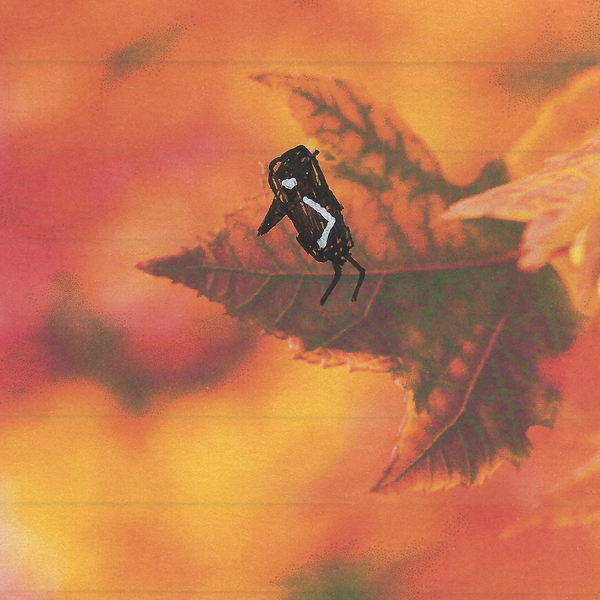
I often draw a single character then scribble shapes around it. Recognize this lady?

I know almost nothing about what you are meant to do with digital art packages and proper art materials, so I stick to drawing with Posca paint pens and white paper. Regardless of what colours the characters end up, I try to stick to black, red and blue because they are easier for me to isolate on a computer.

I scan or photograph the doodles, get them onto my laptop when I isolate all the shapes and move them about until I am happy. I often soften the edges, but not so much they appear entirely smoothed. The texture is part of the appeal of my style, so I need to keep some lumps and bumps in there.

I use free software on my laptop, for those that are looking for a solid art package but cannot lay out the money for Photoshop try these.

Krita – Digital painting, creative freedom

Gimp – GNU Image Manipulation Program

Once on they look how I want them, I usually save them as PNG’s with transparent backgrounds. For the artists and designers, yes, I do know there are better file formats for me to use, but PNGs work for me.

I can then use these images for…

Book covers.

Art prints.

Logos.

Threadless T Shirts.

And YouTube and SkillShare videos.

Now there’s the magic. Not only can I draw from these images for future characters in the Little Fears, but six characters I have not posted here yet have an entire 90 tale story arc built around them. As I have been drawing one every day since January 2017, it also means I have a massive pool of characters to dip into when I want to introduce a new character to the Fears. Every character in the Little Fears was drawn on their own before being put into any of the tiles.

Some Skillshare course, not mine, for you to browse this week. Maybe something to inspire or teach you to create something awesome.

Learn GIMP by Brendon Schumacker.

GIMP is the free art package I use as a replacement for Photoshop. It’s a community run project has lots of free plugins and fancy brush packs on Deviant Art. This course is huge. About 6 hours long. It covers all the tools you need to know.

Cartooning Made Easy: Creating with Public Domain Comics by Angela Veals.

Angela is public domain and open source enthusiast. I took the course because it was a different way of creating comics. It turns out she’s GIMP user too.
Creative Process – Doodling the Fears (Part 1)

Continuing the Creative Process blog posts. I am splitting the doodling the Little Fears into two parts. Part one is about the tiles you see posted here daily. Part two deals with assets I digitise, print and sell.

I touched on illustrating the tiles in the last post. I get the photos from Unsplash.com, a website that gives away Copyright Zero images. Meaning you can use most of them wherever you want, even for commercial purposes. I crop them to squares and create collages through the Pixlr App on Android by Autodesk, then print them off 6 to a page.

I always print them on basic 80gsm paper as I like the texture and as you all know, I love textures! I nearly always use Posca Paint Pens. They are pens, the ink is quite literally an acrylic paint.

I have on occasion mixed in Papermate Flairs, fine tipped felt pens. They lack texture and of course there’s no white, but they still look good and offer a different colour selection. See the black, teal and purple below.

And good grief, do I have a deep love of using Tipp-Ex for white! Would you look at the texture on this? Tell me that isn’t sexy!

The end result is a sheet of six images, which I then scan at 600dpi, crop into individual squares to post here.

It’s worth noting that when I finished the first book (Little Fears Presents – January), I realised I needed to draw the images so I could crop them into 1700 px by 1200 px images. Squares in a book look awful except for square books. I had a dilemma on the first book to crop the images or charge about £20 instead of £12 for the books. Yeowch. Life’s about compromise I guess.

I mentioned the chicken and egg scenario in the last post. Do I doodle first or write the accompanying tale first?

Well, when I started I wrote and doodle about the same time. Six per day, every day, matching the characters in doodles to the stories. I do a set of 120’ish doodles and tales per month, but I discard quite a few so I have sets of about 90. Each set works as its own book and later on, story arcs.

When I got the 4th set of 90 doodles, I sat down with all the photos I had printed not used and filled them all in, then wrote the stories around them. That didn’t work for me at all. I was able to write all 90 tales for the characters, but I just felt they all looked to samey. They lost their personality.

When I got onto the next 90 that would form Reala, I wrote the tales first and doodled after. That left me with a stronger visual theme throughout the images. It was such a stark contrast; I ended up going back and redrawing half of the previous 90 panels for Hydra.

Going forward, I now write the tales first and doodle after. Usually in batches of 6 or 12. The illustrations later this year are more specific to the story. Did you notice that about the horror stories and, for those that read it, Little Fears Presents – Capricorn? The stories and doodles tie together a little better than some of the humorous Fears. The horror tales and Capricorn were about the 5th or 6th book I originally wrote. It just came out better than I initially believed it would and slotted in quite nicely onto the website. So I put that before the second Little Fears humor book.

With that, I have a few course suggestions for the artistically minded readers of the Little Fears. As always, there’s a no obligations $0.99 fo a 3 month trial to Skillshare giving access to thousands of courses.

You can draw anything, including a bird, in 3 simple steps by Yasmina Creates.


Sketchbook Magic: Start and Feed a Daily Art Practice by Ria Sharon.

Creative Processes – Writing the Little Fears

I keep getting asked about my creative process about the moment. Here on the blog, on social media and in real life. So for the next few weeks, I will post a wee bit about how I create the Fears and attached images.

First of all, the writing of the tales. I find doing something every day, even for a few minutes, can help maintain both quality and quantity of whatever I am creating. Simple daily practising. Part of my morning routine is to write six tales. I used to write whatever was in my head, so I got a mixed bag of stories each day. In the Fears future, the stories have themes and plots throughout, so now I write six separate stories per day, but to a theme or around a plot point.

I usually discard three of them and keep the three best. As I only post one story per day here and use the rest further down the line for books, this gets me miles ahead of where I need to be writing wise. I am currently writing tales that won’t be posted online until 2021. Compiling them into books, ninety at a time, also leaves me writing my 13th book today. I have so far only released two.

That does have a downside that I can barely remember what I have written. Further down the line in the Little Fears story, the books develop a plot throughout. So they consist of ninety or so flash fictions like you currently read here, all individual and they will be readable as a stand-alone story, but they have a strong theme or plot throughout.

An example of this would be Reala, the 5th book. She finds herself in a pub on the road mentioned in a few Fears tales. Serving drinks to wandering spirits. In one chapter of twelve gags, she has a troupe of penguins in the bar. All twelve stories can be read independently as jokes and dramas, but they form a single narrative of them arriving, causing havoc, then getting slung out.

Past the 5th book, the stories run throughout entire books. Plot planning can be tricky when you are generating stories so fast your memory cannot keep up.

It’s worth saying as well, for each short story, I usually write with the punchline or twist in mind and steer the story towards it. That’s easy to do when your fiction is as short as mine. For the longer narrative, I have a vague idea of where I am heading, but rarely know if it’s the final destination until I get there. Occasionally I have a final scene in mind, but that’s always an epilogue scene, not a final encounter scene.

The last part of this is the chicken and egg question. Do I write the stories or do the accompanying doodle first? I used to write and doodle six of each a day and would mix and match using characters I had just drawn, or redraw a panel for a tale.

When I got the 4th set of 90 doodles, I sat down with all the photos I had printed not used and filled them all in, then wrote the stories around them. That didn’t work for me at all. I was able to write all 90 tales for the characters, but I just felt they all looked to samey. They lost their personality. When I got onto the next 90 that would form Reala, I wrote the tales first and doodled after. That left me with a stronger visual theme throughout the images. It was such a stark contrast; I ended up going back and redrawing half of the previous 90 panels for Hydra.

For anyone wanting to get into writing or brush up on some writing skills, I have a few course suggestions for you from Skillshare. As always, a 3-month premium subscription to Skillshare costs just $0.99 and lets you visit thousands of online classes in all sorts of subjects.

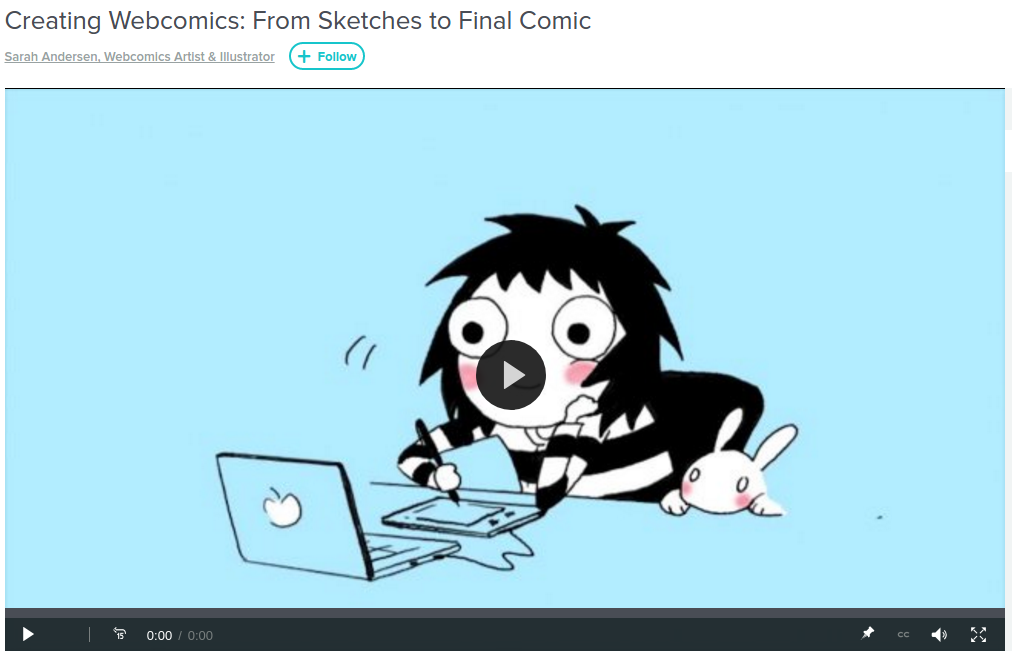
1. Creating Webcomics: From Sketches to Final Comic

By Sarah Anderson. I reckon most of you have seen her comics somewhere online. I would go as far as saying she’s one of the most famous webcomic writers on the internet.

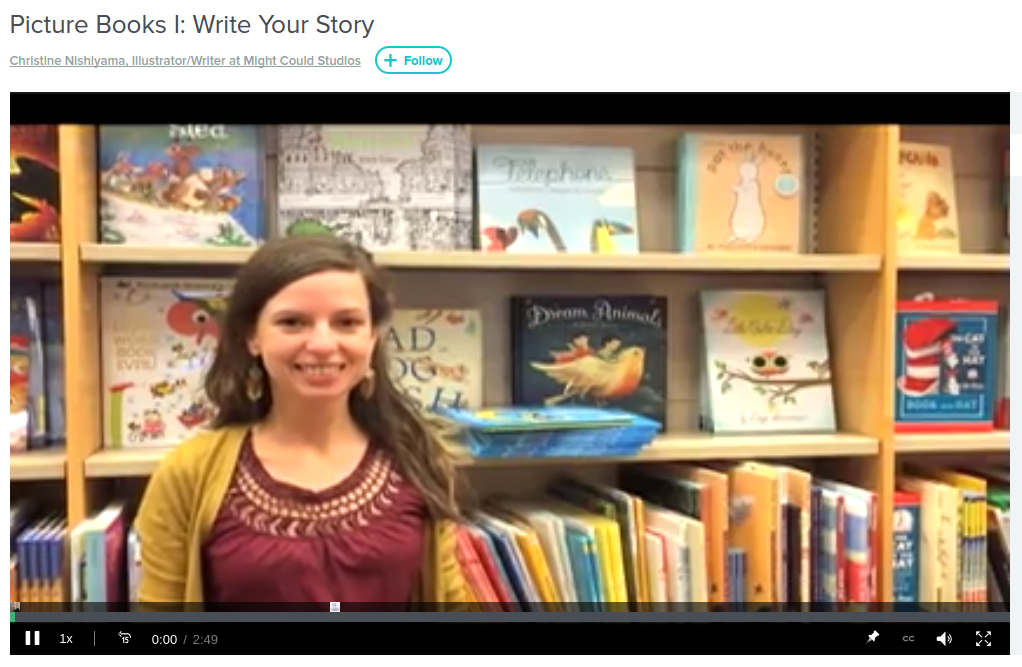
2. Picture Books I: Write Your Story

By Christine Nishiyama. Ignore the picture quality. The content of the class is good covering structure, character development, dealing with word counts (yep that appeals to me!) and coming up with story ideas.

3. Creative Nonfiction: Write Truth with Style

By Susan Orlean of the New Yorker. Not aimed at us fiction writers, but, she covers everything in some depth for a 1-2 hour course. The course includes dialogue, descriptions and story elements. A lot of us subconsciously pull details of our real life into our writing, so I found this course pretty helpful.

If you would like to purchase either of my currently released books, please visit the Amazon links below.

January USA – $15.54   /   January UK – £12.00

Capricorn USA – $15.54   /   Capricorn UK – £12.00

If you would like to support me on Patreon, like my new and awesome shiny patron Denise Timmert a fellow WordPress Blogger and artist, please visit The Little Fears Patreon Page.

Finally, I still have some discount art prints left from last weeks post, give me a holla if you are interested in nabbling a £5 Fears Art Print.

Heatwaves

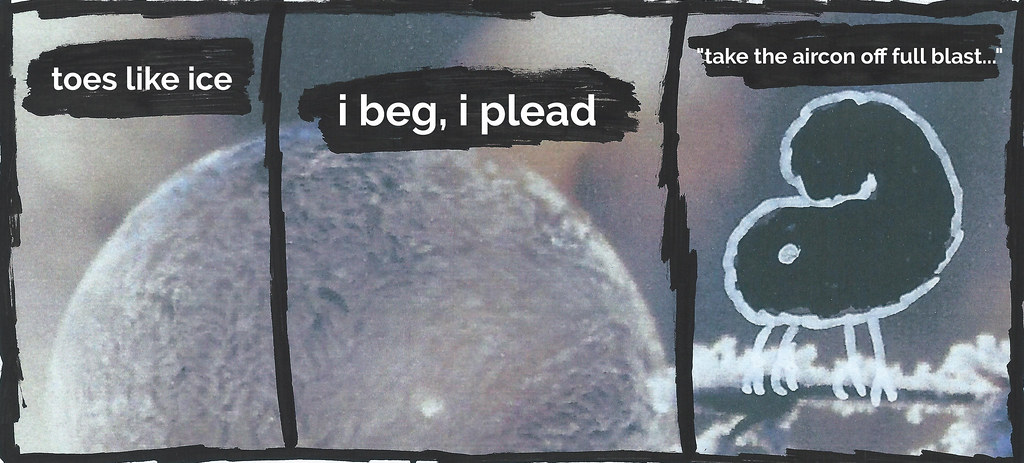
Something I have been playing with on social media this week. In all honesty, I think it works better as a square with my marks on and writing on. However, the below was for Twitter this week, during the UKs epic heatwave.

God above it’s been hot, but my old boss insisted on having the air con on full blast. It used to give me a headache it was so cold. May as well have been working in a refrigerator. A short 2 weeks later, I am back at home, trying to get back into the swing of freelance life.

I have an empty schedule work-wise, with an imminent move in a few weeks time. So if any of you fine folks have any work for me, from website logo design to book cover illustrations, give me a holla!

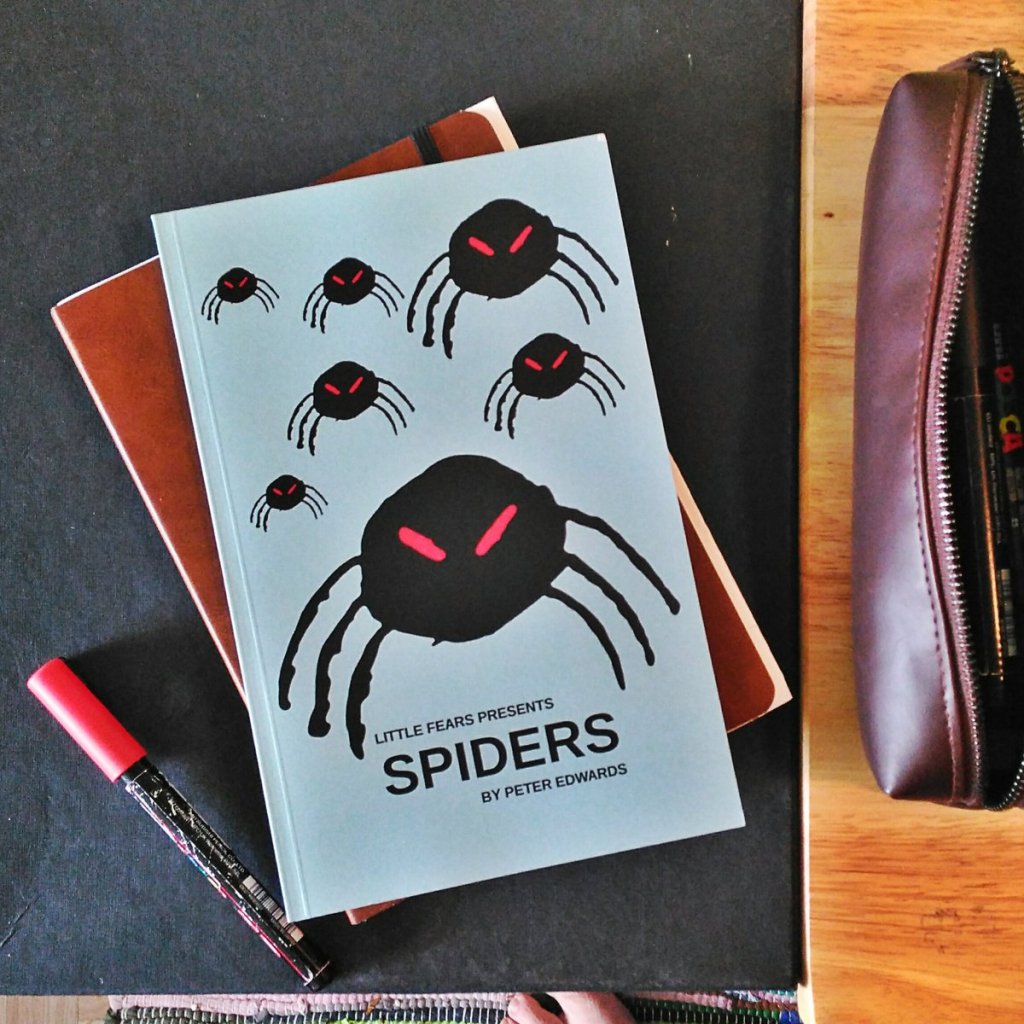
I am having quite the argument with Amazon about the release of my third book. I browsed quite a few self-publishing platforms a few months back. They are all notoriously bad when there’s a problem of their own doing. In this instance, they massively misprinted my third books demo copy. Getting them to confirm this isn’t going to happen on release has been a pain in the arse. Anyone waiting for the third book, sorry, it may not be released this month as intended.

If you want to purchase my first or second books, you can grab them at the links below.

January USA – $15.54   /   January UK – £12.00

Capricorn USA – $15.54   /   Capricorn UK – £12.00


Day Jobs

As many of you know, I’m planning a house move in the coming months. I got offered a few weeks consultancy at my old firm and took the opportunity to boost my income for a few weeks. I’m actually enjoying it. With the knowledge that it’s temporary, I can relax more about my commute. I don’t start until 10 am and I leave at 5 pm. My relationship has changed with everyone there too. It’s easier stepping back in 6 months after leaving for a couple of weeks than it was seeing the same people in the daily grind.

Attack of the killer day job. A short life event where the hero will survive.

In the meantime, I have stopped pushing the Little Fears a touch and gone looking on Skillshare for some marketing courses to use a lil info from when I finish at the day job and get back into writing.

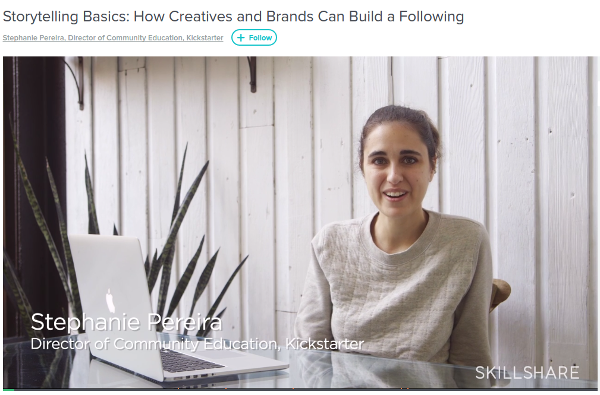
Storytelling Basics: How Creatives and Brands Can Build a Following

The first one I tried was a course by Stephanie Pereira from Kickstarter. This is a free course and it’s not bad. She discusses defining your audience and finding them on the net. Something I often forget. I certainly need to look out for reading and writing communities other than those on WordPress.

Instagram Best Practices: Grow Your Community, Work with Brands

The second course I watched was by Tyson Wheatley, a well-known photographer on Instagram. It’s premium, but if you pay as little as $0.99 you get 3 months full access to every course on Skillshare. The guy knows his stuff. He covers apps to use to edit photos, creating a synergy between your images and growing your following.

Instagram is a bit of a sticking point for me. I have nearly 1300 followers there, but I do not post daily and I am always unsure of the best way to link posts there back to the LittleFears.co.uk home. Growing the community isn’t the problem for me there, it’s what to do with it when I have it. I shall be trying a few more courses before the week is out. Would be nice to have a fresh plan for when I return to the Fears next week.

Receiving Bad Reviews

Nobody likes a bad review. Thankfully with January, I received mostly positive and balanced reviews. A belated shout-out to Great Northern Book Owl.

Capricorn, however, was an entirely different kettle of fish. I have received six reviews so far across the web. All bad. The best was a 2-star review that said most of the tales didn’t make sense. Fair do’s, I understand my writing is incredibly British. Weird fiction and horror tales mixed with British oddness aren’t going to be for everyone.

The other five reviews were all one star. Two reviews just left me one star with no comment. The other three left one-star reviews because Capricorn wasn’t my usual puns. Despite there being no mention of humour anywhere in the description of the book, with a synopsis emphasising horror, they are reviewing a book they got for free and moaning because it’s not humour? Are you kidding me?

So what am I meant to do in this situation? Six bad reviews, not one single good review for Capricorn that I have seen yet.

I start writing the next book.

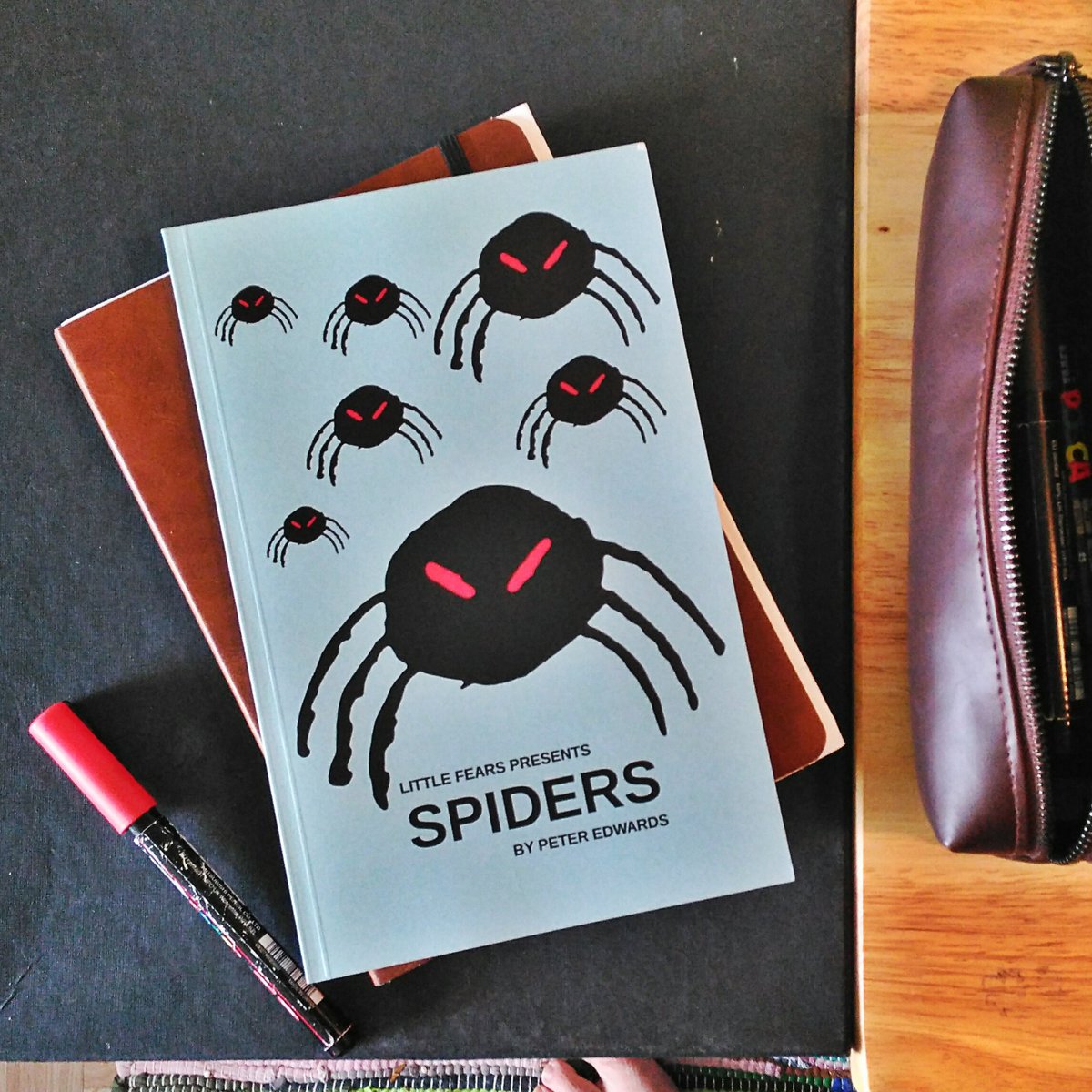
Out of all six reviews, only the 2-star review had something useful to say. I take that as constructive criticism. ‘Because it’s not more of the same’ is not constructive criticism. I accept my writing isn’t for everybody. If someone doesn’t like a book or film, you can’t argue them into leaving a good review. So instead of burning energy chasing them, I shall spend that energy writing the next book. Figure out the next marketing strategy. Get doodling new illustrations. Work on getting the third book, Spiders, out in May.

I have also headed back to Skillshare, looking for new writing courses. Turns out Monika Kanokova has created a new class, The Beginner’s Guide to Self-Publishing: Publish and Sell Your Nonfiction Book.

I took her original class, An insightful guide to becoming a freelancer some time ago and quite enjoyed it. Although she writes non-fiction, the new class still has good information, and have nabbed a few interesting bits to take with me to the release of my next book.

In the meantime, if you’d like to read the better reviewed January, or give the horrors of Capricorn a read, click the links to purchase either on Amazon. Kindle digital editions are £4.99 and are under the links below.

January USA – $15.54   /   January UK – £12.00

Capricorn USA – $15.54   /   Capricorn UK – £12.00